
StrongHealth Project: making the invisible visible in the fight against strongyloidiasis
Amhara and Benishangul-Gumuz regions (Ethiopia)
More than 120,000 people in endemic areas (Amhara and Benishangul-Gumuz)
2020-2026
ABOUT THE PROJECT
The story behind the project
An invisible disease
Strongyloidiasis is a parasitic disease that affects between 300 and 600 million people around the world. Yet it barely features on the health agenda.
Unlike more visible parasitic infections, strongyloidiasis often goes undiagnosed. In many cases, infected people have no clear symptoms, there is no single gold-standard diagnostic test, and public health systems in countries like Ethiopia hardly include it in their surveillance programs.
When the infection progresses (especially in people with weakened immune systems), it can lead to serious, potentially fatal complications, even though treatment is fairly simple: a single dose of ivermectin is enough to clear it.
The problem is that, without diagnosis, clinical knowledge or a place in public policy, millions of people live with the infection without knowing it. They are invisible people with an invisible disease.
Scientific evidence for public policy
The StrongHealth Project is run by the Mundo Sano Foundation, which funds it and leads it technically, under an agreement with Ethiopia’s Federal Ministry of Health (FMoH). Since December 2020, we at Fundación ADS have supported it in Ethiopia: administrative and financial management, oversight of implementation, logistics and relations with the authorities. The goal is to build the scientific and operational evidence needed to turn strongyloidiasis from a neglected disease into a public health priority built into national policy.
To do this, the project works along five lines:
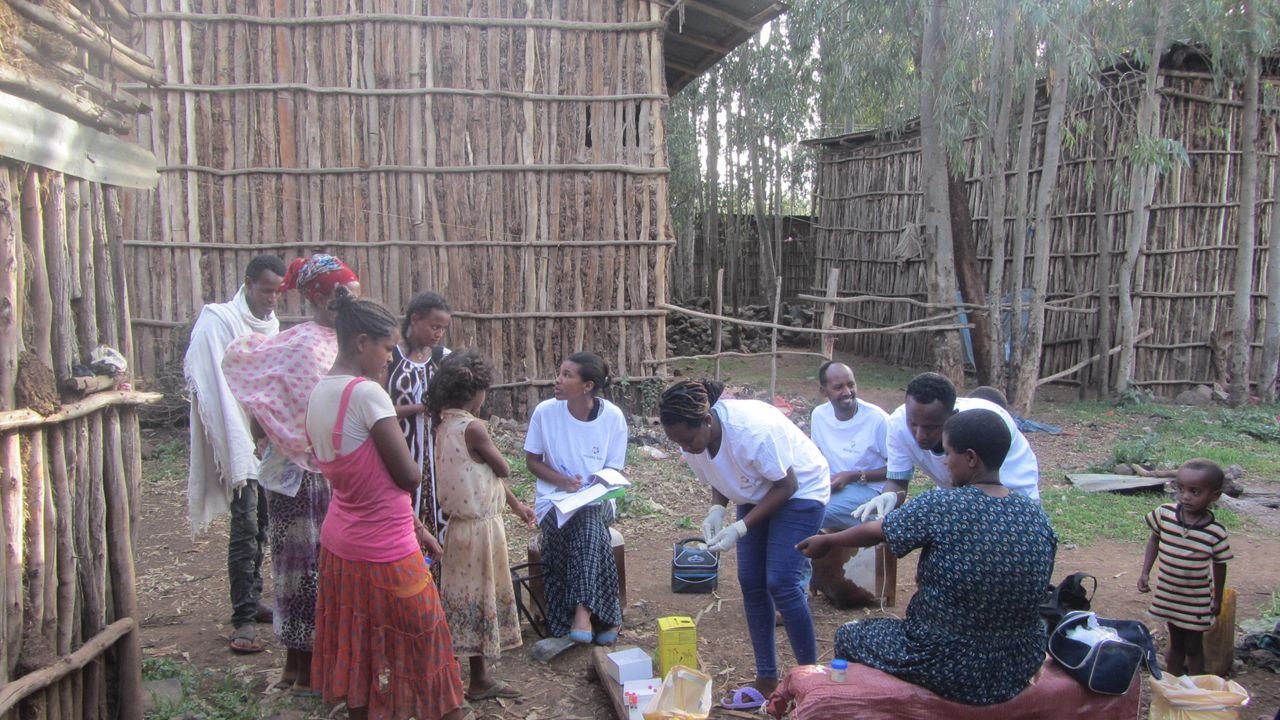
- Rigorous prevalence studies in vulnerable populations.
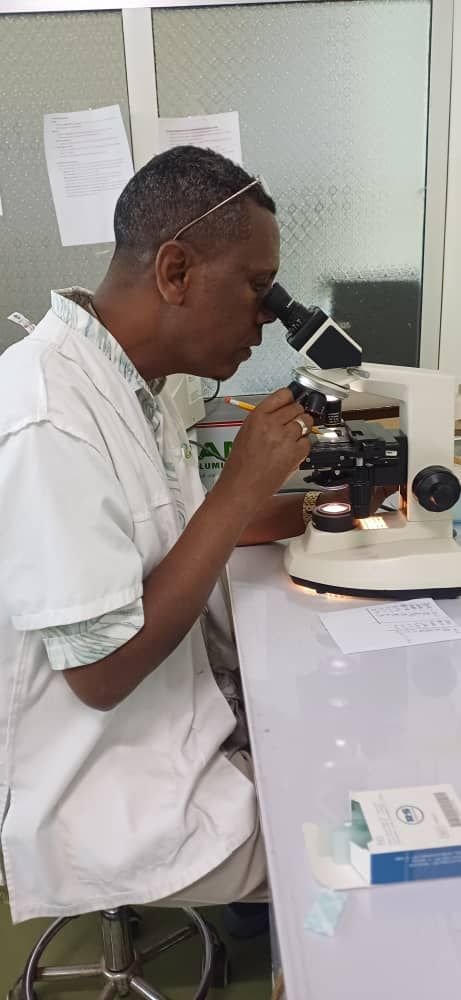
- Comprehensive diagnosis combining parasitological, molecular and serological techniques.
- Assessing how well ivermectin treatment works.
- Building local lab and research capacity.
- Working directly with health authorities to align findings and policy.
2024-2025: a global turning point
The project works in two regions that have gone through periods of serious insecurity, Amhara and Benishangul-Gumuz. This has meant rescheduling activities and has caused some operational delays. Even so, the team on the ground has kept the work going.
The results speak for themselves:
- Thorough prevalence studies, producing unprecedented data on strongyloidiasis in Ethiopia.
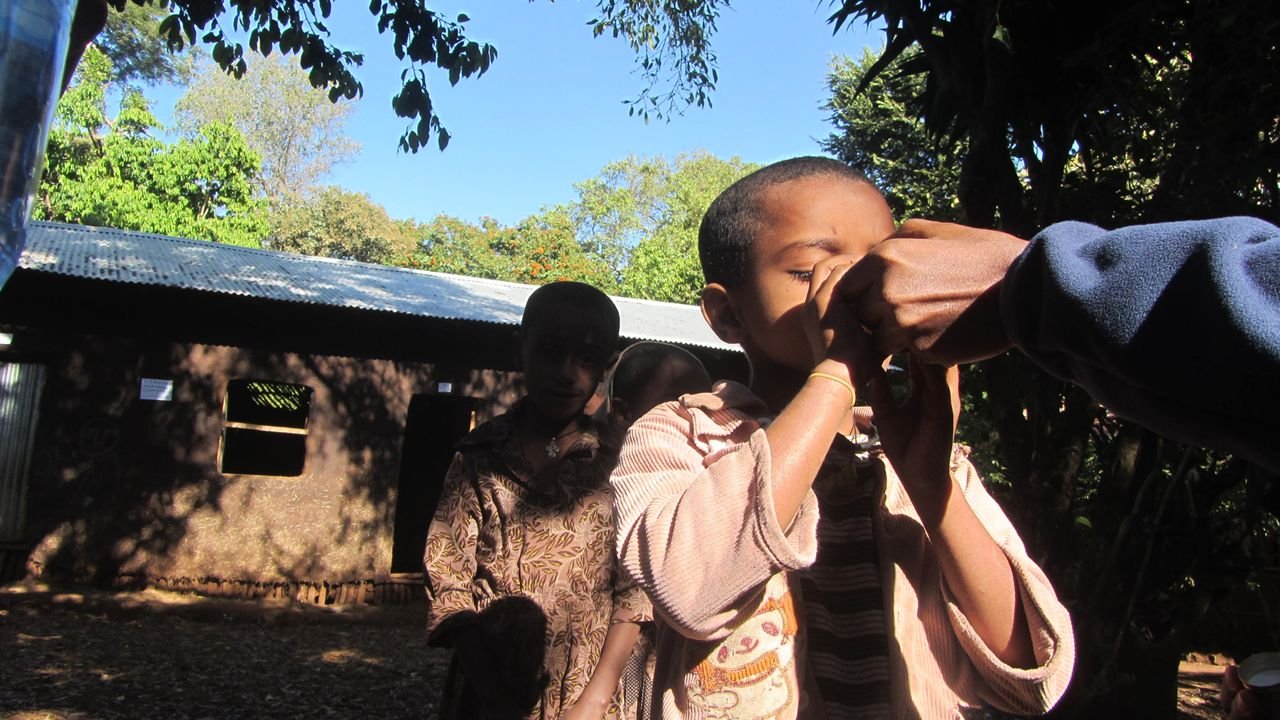
- Ivermectin-based interventions with rigorous impact assessment.
- Stronger local labs, through training in molecular diagnosis.
- Direct coordination with the FMoH to build the findings into national policy.
In 2024, WHO published its first-ever guideline on controlling strongyloidiasis as a public health problem, a major milestone in the response to this disease.
Final year: consolidation and handover
In its final year, up to the close in June 2026, the team focused on five priorities:
- Finishing the remaining studies and completing a full analysis of the data.
- Presenting the results to the FMoH to formally include them in national plans.
- Expanding surveillance and treatment where appropriate.
- Feeding data into WHO’s global guidelines.
- Handing over capacity to local institutions so they can carry on the work without ADS on the ground.
Because a good project exit is, in the end, one that lets the project carry on without whoever started it.
Why it matters
It matters because an invisible disease is becoming visible. Today there are Ethiopian researchers trained to diagnose it, and the Ministry of Health has data to make decisions. And people who may be infected without knowing it now have a scientific path to being identified, treated and protected.
That’s real public health.