Visceral leishmaniasis, known as kala-azar, is a parasitic disease spread by the bite of a sandfly. Without treatment, it is almost always fatal. It is one of the world’s most neglected diseases. In Ethiopia, some 3 million people are at risk, and in the northwest it mostly strikes the seasonal laborers who come to work on the farms.
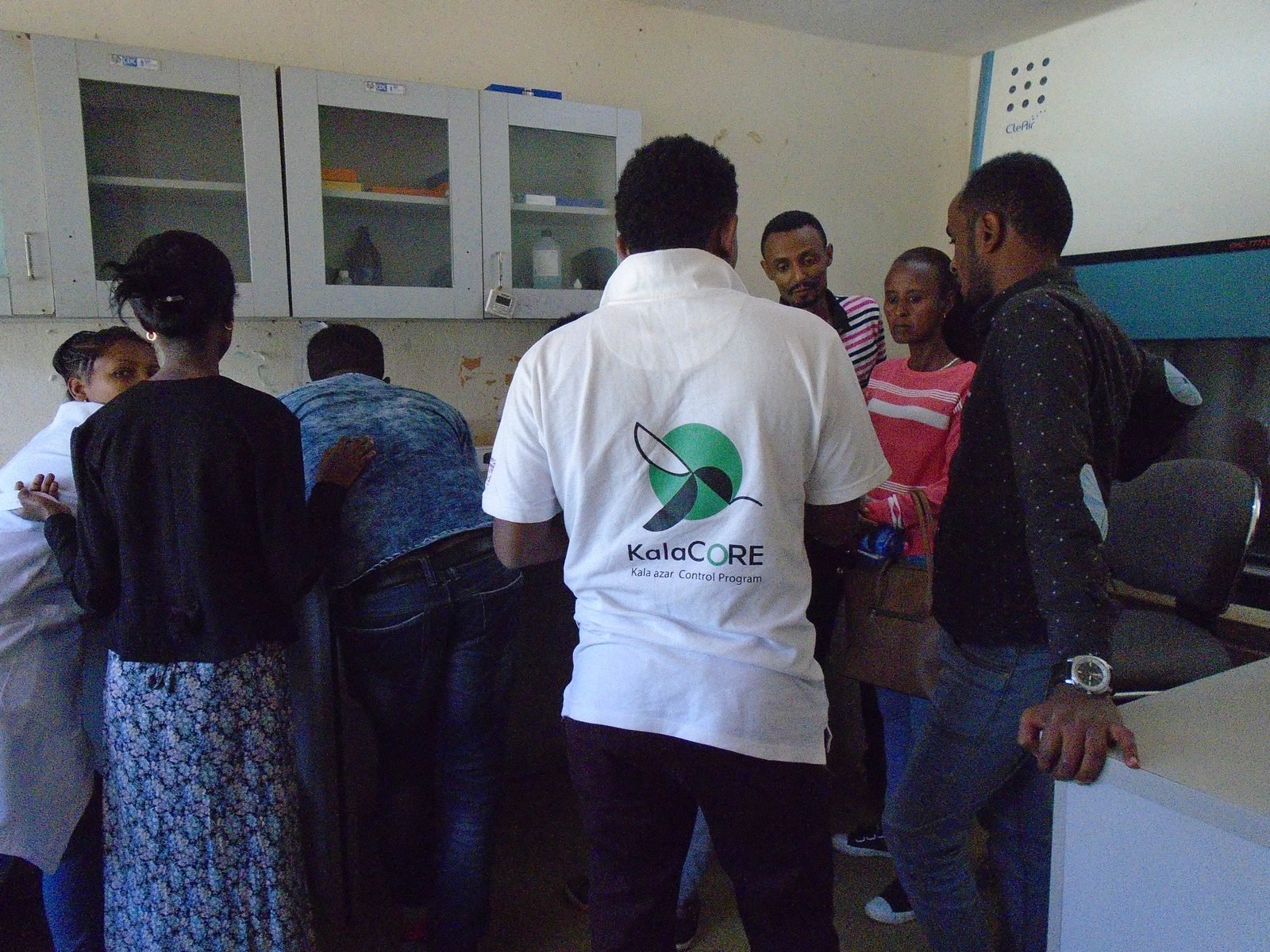
KalaCORE was the UK program (UK aid) to fight the disease in six countries in Asia and East Africa, run by a consortium of Mott MacDonald, DNDi, the London School of Hygiene & Tropical Medicine and Médecins Sans Frontières. In 2015, when we were still called Amigos de Silva, the consortium chose us as its lead implementing partner in Ethiopia. We signed the agreement with the Ministry of Health in December that year and worked until March 2019, in coordination with the World Health Organization.
What we did
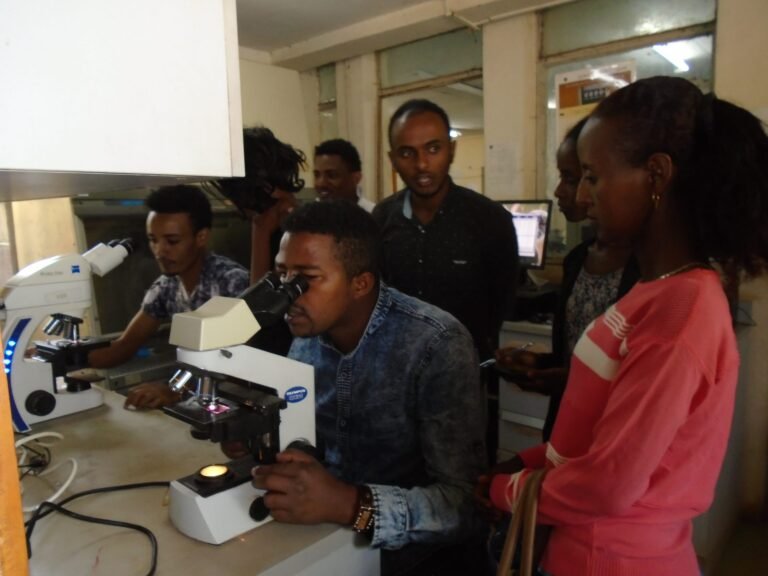
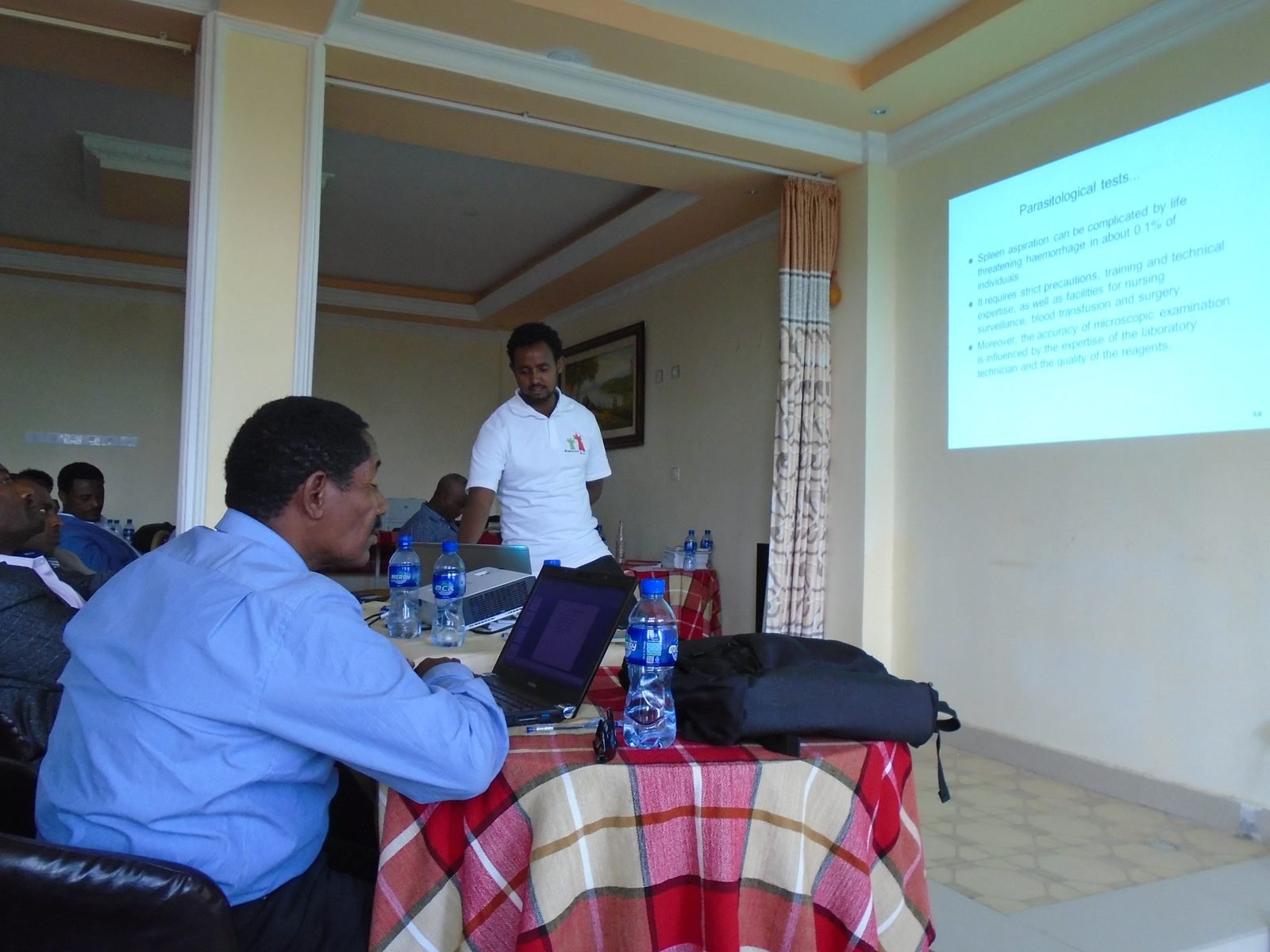
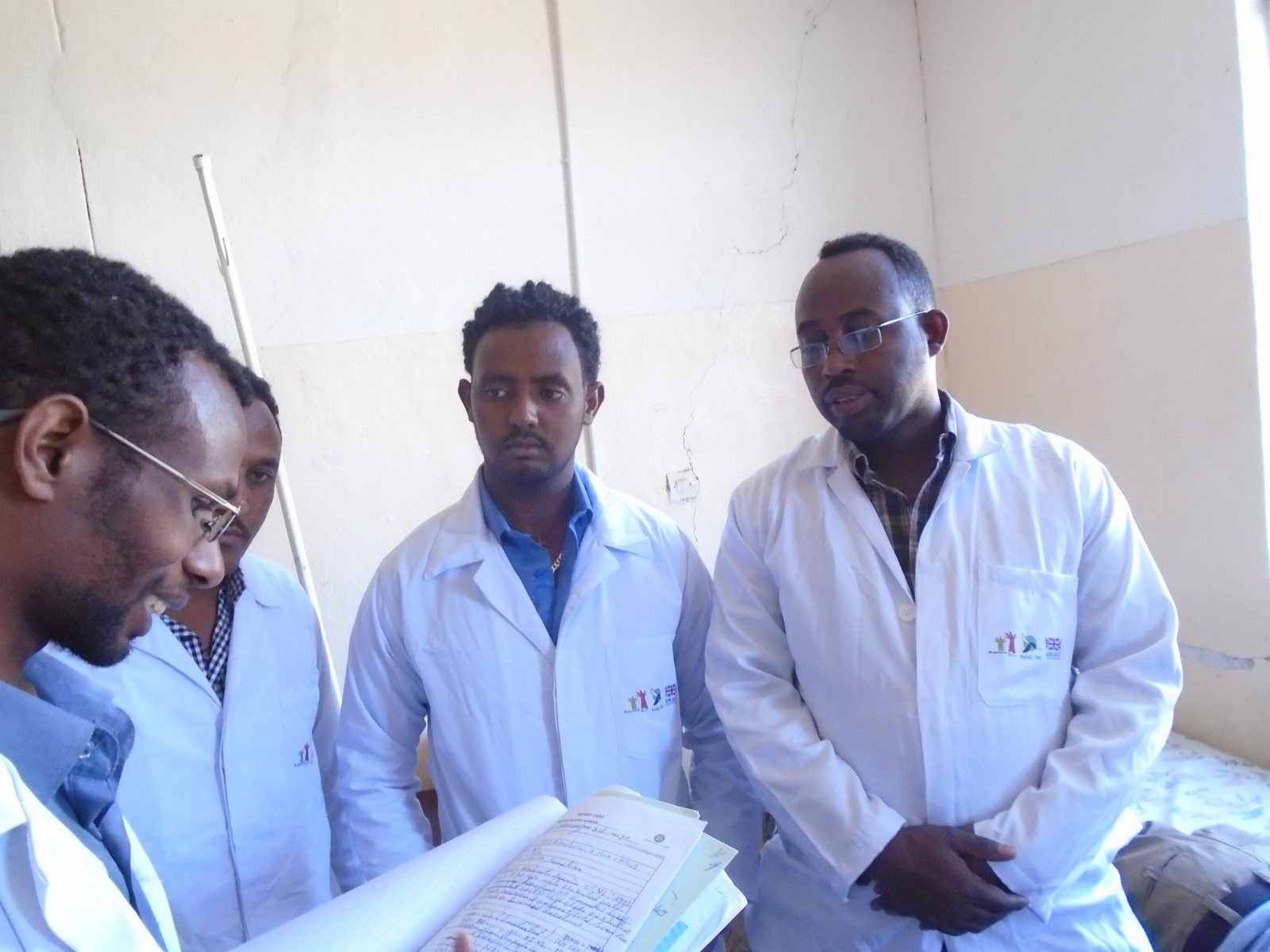
- Clinical mentoring. From June 2016, three mobile teams based in Bahir Dar, Mekelle and Hawassa made regular visits to the treatment centers. Each team brought together medical, nursing and laboratory staff. They reviewed cases, did ward rounds with local staff and trained them on the job.
- Medicines and diagnostics. We organized the purchase and distribution of medicines, diagnostic tests and laboratory supplies, and helped prevent stock-outs at the centers.
- Nutrition. We brought therapeutic food to the hospitals to treat malnutrition among patients.
- Upgrading the centers. We refurbished the treatment centers, equipped them with beds, refrigerators and microscopes, and installed two prefabricated wards in Addis Zemen and Axum.
- Surveillance. Two surveillance officers in Amhara and Tigray helped improve record-keeping and investigate outbreaks.
- Research. With the universities of Gondar and Mekelle, we studied what kept seasonal laborers from getting diagnosed and treated.
Results
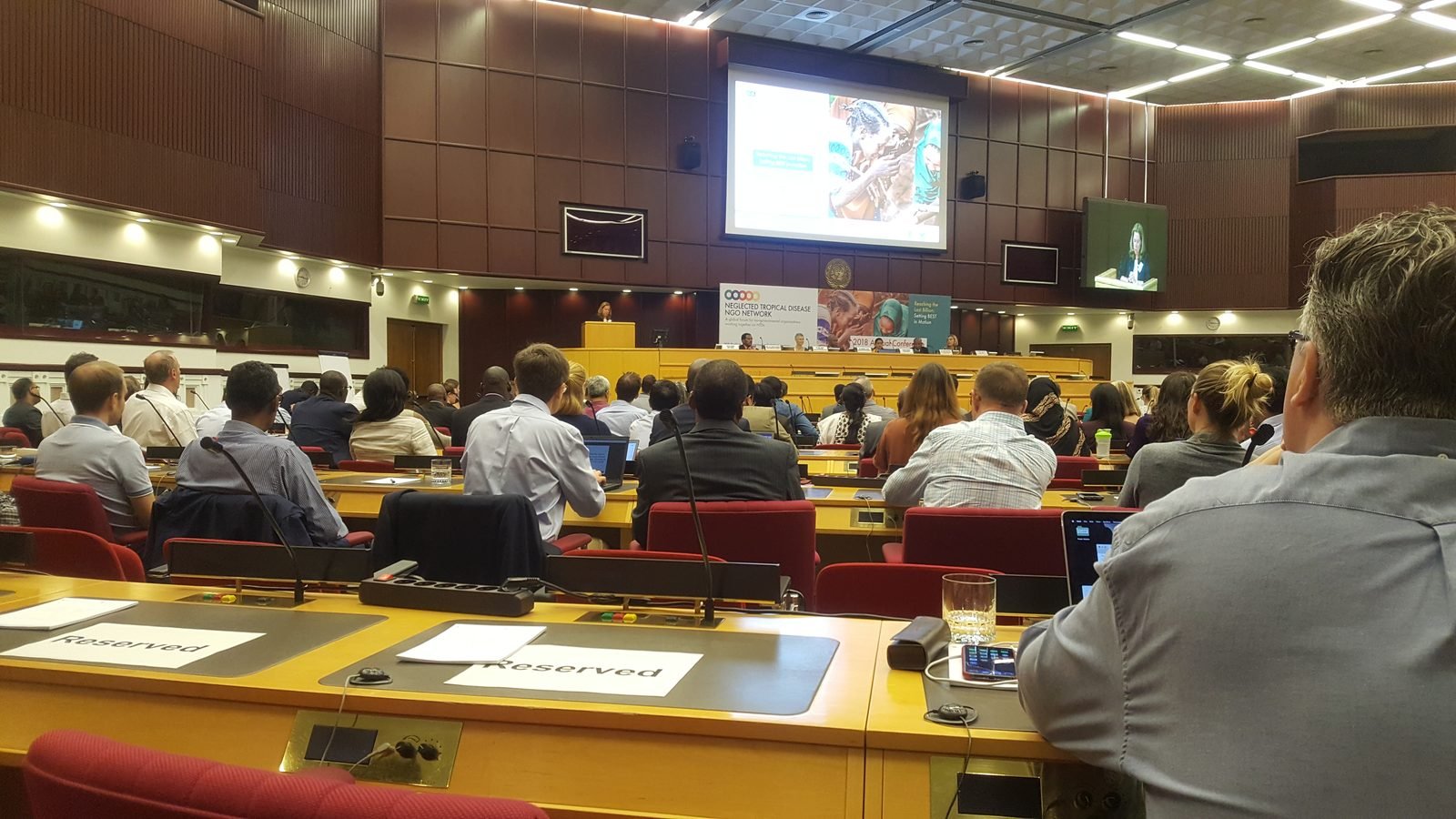
We worked in 32 health facilities and, in 2018, trained more than 300 health workers. The 2017 independent evaluation concluded that clinical mentoring had worked: better diagnosis, greater use of combination therapy, shorter hospital stays and better records.
The Ministry of Health’s final evaluation, in November 2018, reported that the case fatality rate at the centers had fallen from 4% to under 1.8%, according to its records. During the project, the health authorities in Amhara and Oromia also decided to make hospital care for these patients free of charge. In the final phase, we worked with the Ministry and the regions to plan the handover, with local mentors in the hospitals themselves.