
WABII NYAATA: community development through food security and agroecological farming in Yate Fishou
Yate Fishou, Muketuri, Oromia region (Ethiopia)
2,479 people in 271 households (direct beneficiaries). Total beneficiary population: 2,600 people.

(24 months, started in January 2025)
ABOUT THE PROJECT
The story behind the project
In January 2025 we launched Wabii Nyaata (“food security” in Oromo) in the community of Yate Fishou, a rural area just 15 kilometers from Gimbichu, where our previous project had already delivered good results.
When our team visited Yate Fishou, the picture was clear. A family of eight spends around €75 a month on food. They eat just one meal a day and save red meat for special occasions. 56% of the population faces food insecurity.
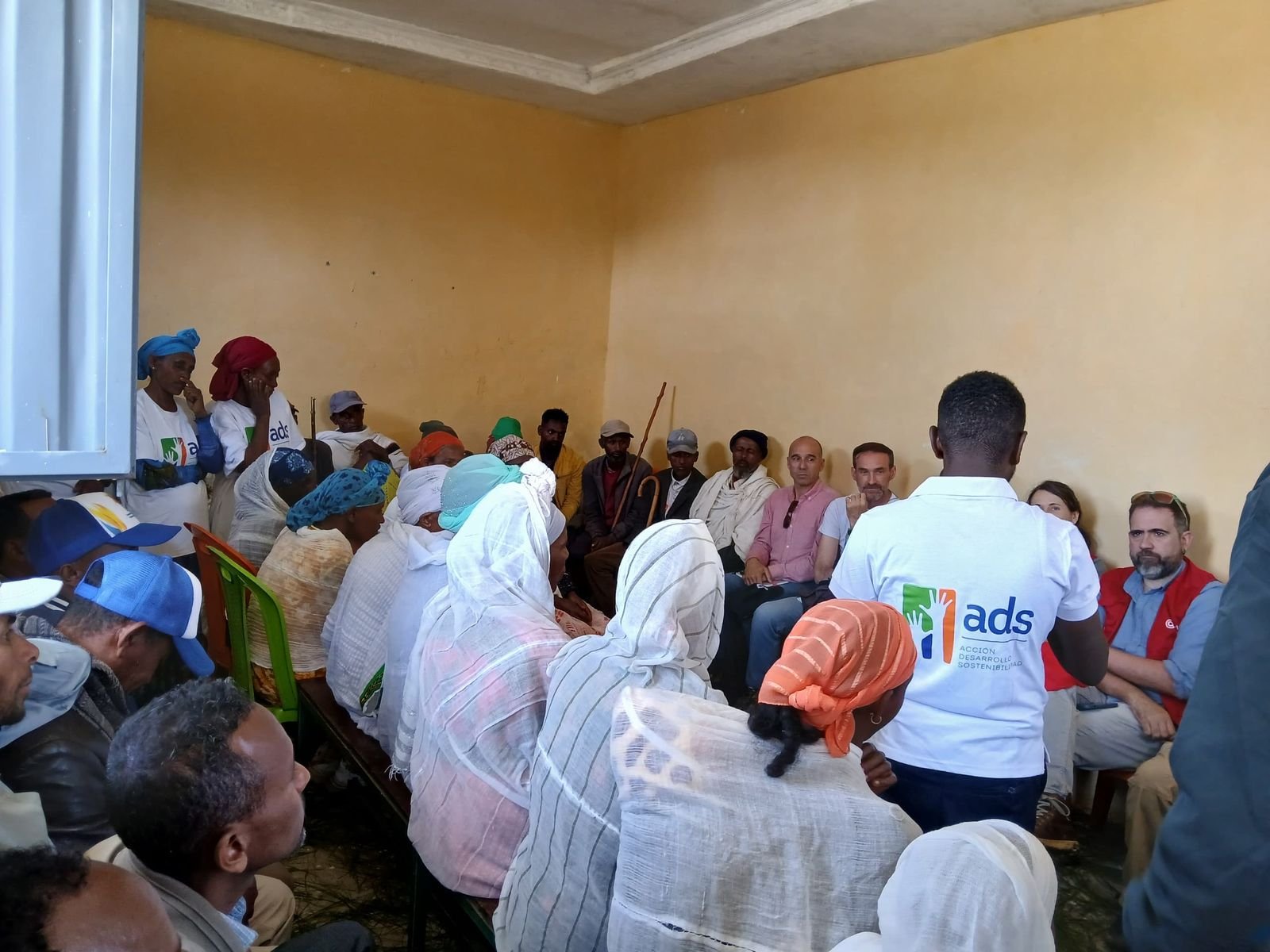
Behind the figures are real stories. The initial assessment was carried out with 27 families in the village. We heard from women who have no say over the land they farm, and from young people who drop out of school because their families need them in the fields. We also met children with chronic malnutrition who can’t reach their full potential.
Lessons from Gimbichu
The Water Ambassadors project, carried out in Gimbichu between 2021 and 2023, taught us valuable lessons that we’re now putting into practice in Yate Fishou:
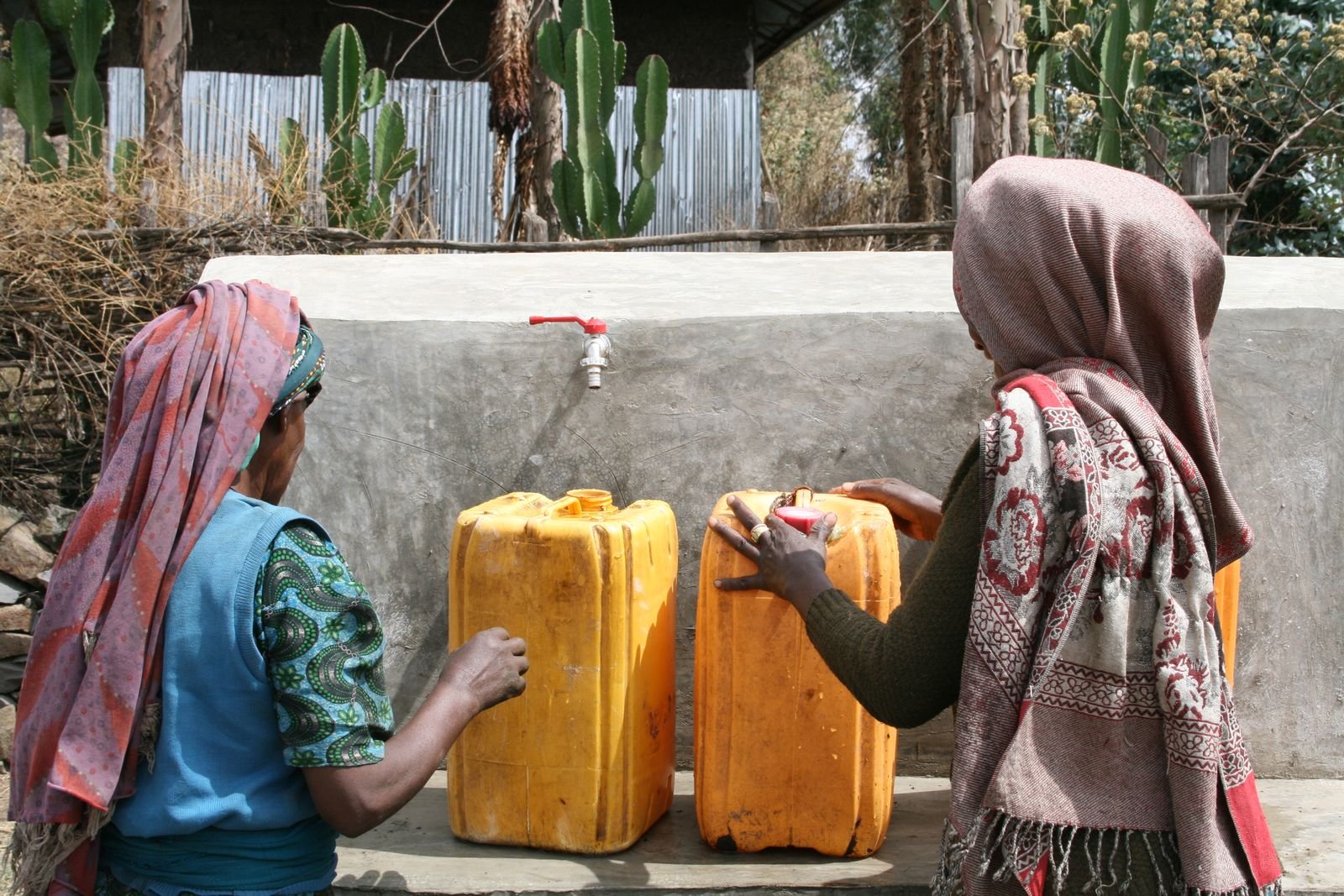
- When families have clean water close to home, they no longer spend hours fetching it, and far more girls go to school.
- When farmers grow a wider range of crops, malnutrition goes down and children’s health improves.
- When livestock have access to water and veterinary training is stepped up, fewer animals die. That’s key in a region where livestock are a vital financial reserve for families.
- When women lead community farming, results improve: household diets are more balanced, children’s health gets better and women have more say over family income.
- When surplus crops can be sold, young people see a future in rural areas and there’s less pressure to move to the cities.
These aren’t just impressions. They are documented, evaluated findings, now being applied in Yate Fishou with a proven method.

Four pillars of change
1. More food, and better food
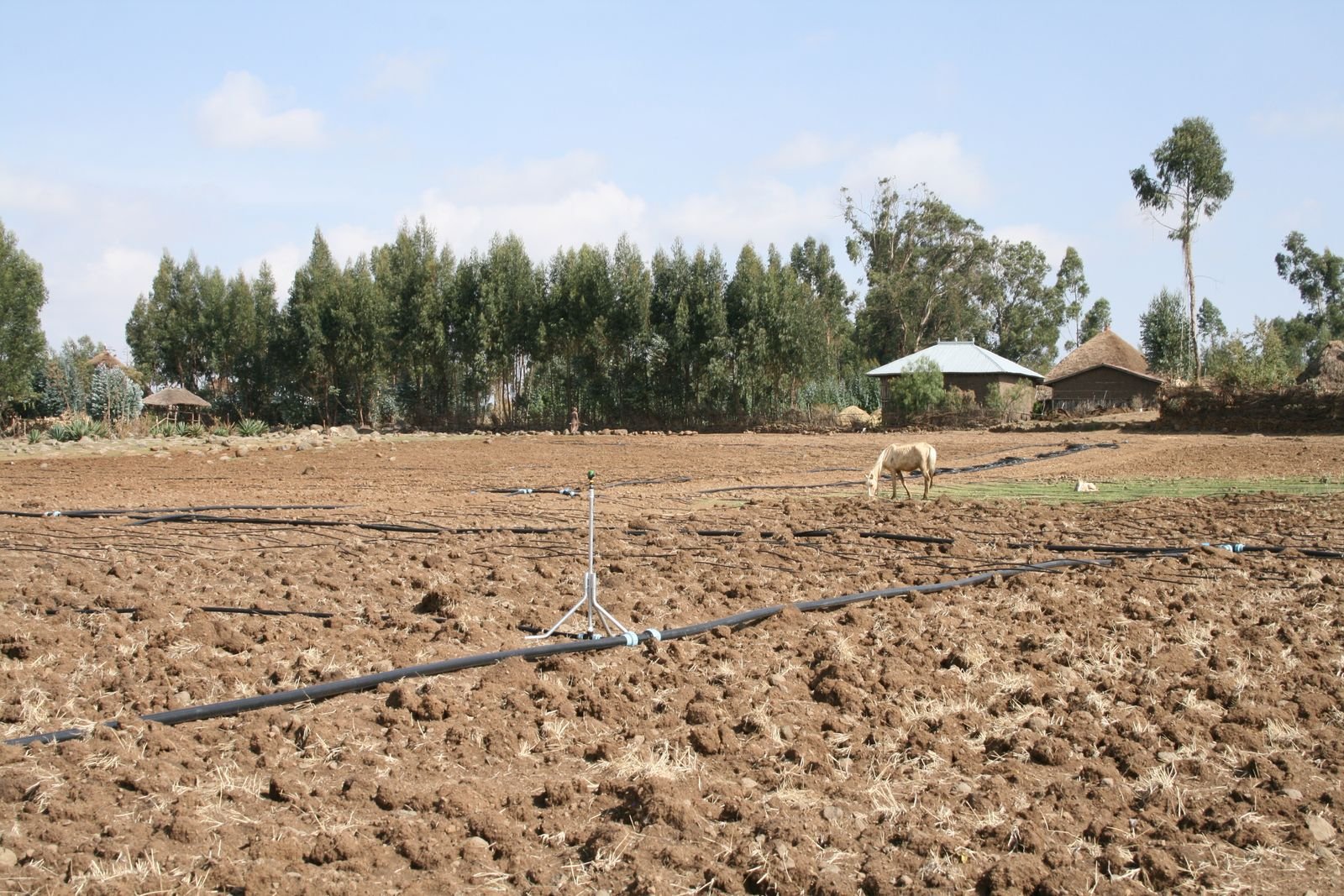
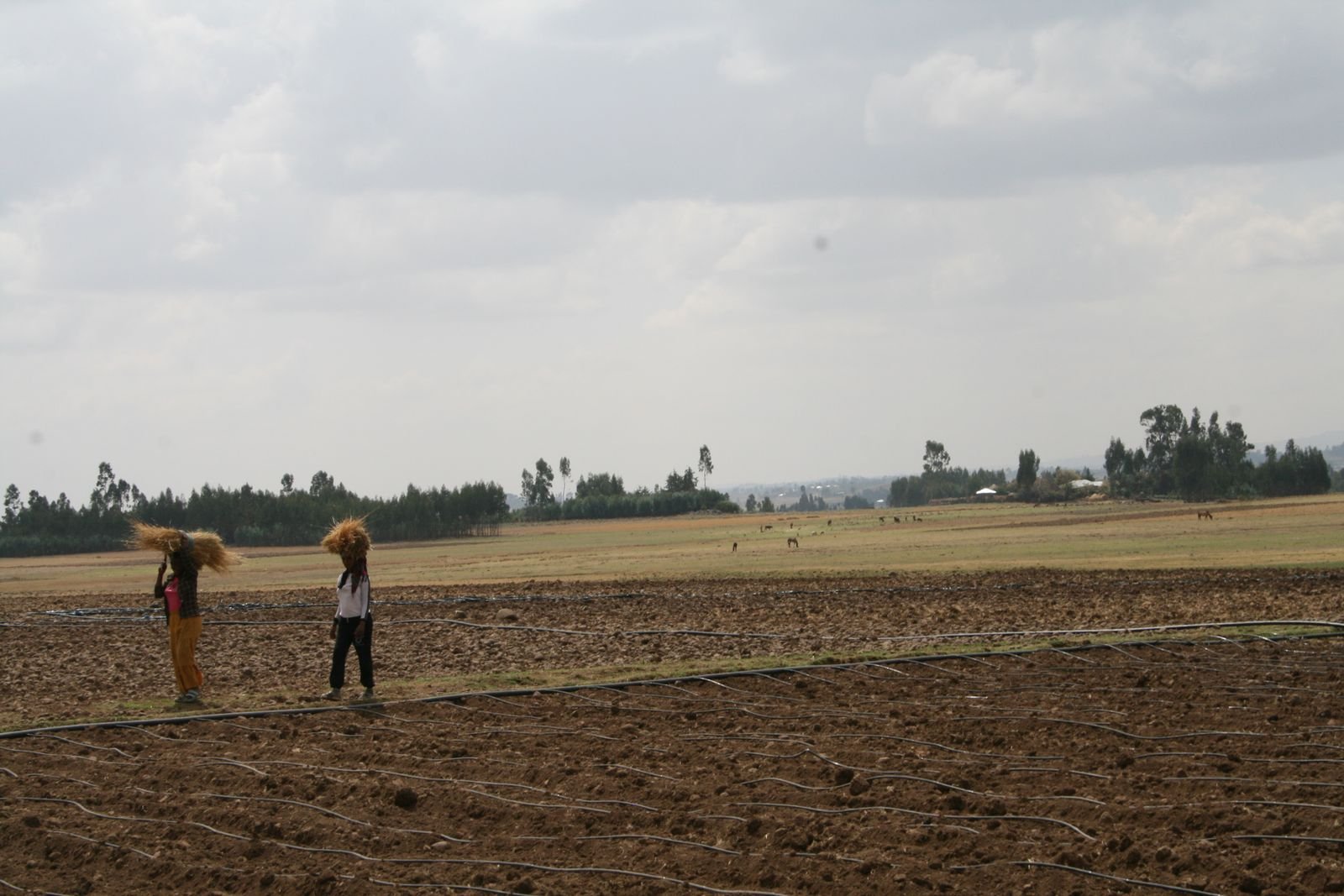
We have prepared 5 hectares of land where there used to be only subsistence farming. Today it grows cereals (teff and wheat), pulses (beans and chickpeas), alfalfa, a range of vegetables and moringa.
Agroecology training covers the use of natural biofertilizers and techniques that keep the soil fertile and let farmers save seed from one season to the next. In 2025 we trained more than 270 farmers.
2. Healthier livestock, more resilient families
Livestock are these families’ main savings, so a sick animal means a direct financial loss.
In 2025 we ran vaccination campaigns against anthrax, foot-and-mouth disease and other illnesses, and more than 2,000 animals were vaccinated. Herders now have clean water for their animals, and we have trained local technicians in animal health.
We have also set up a revolving fund system. When a family sells an animal or brings in a harvest, it puts a small amount into a shared fund that pays for the next campaigns. This makes the project more sustainable.
3. Women at the heart of change
In Yate Fishou, as in much of rural Ethiopia, men have traditionally made the decisions about resources while women do much of the work. Wabii Nyaata sets out to change this.
The water committees have been set up with at least 50% women, and there are farming, livestock and storage committees where women have a voice and a vote.
The project also offers functional literacy classes at times that suit participants, along with leadership training and specific farming training. As in Gimbichu, women who couldn’t read are now learning, keeping records, negotiating prices and helping to manage their land.
4. Selling what they grow
Growing more is of little use if there’s no way to sell the surplus. In 2026 two solar-powered mills will be installed. They will save families hours of travel to grind their grain and bring in income when other people in the community use them.
We have also signed deals with direct buyers: Adina Trading buys herbs (nettle for herbal teas for breastfeeding mothers) and Soufflet Malt buys malting barley directly.
An e-commerce platform is in the works, and we have set up a community tree nursery that supplied more than 1,000 trees planted in 2025. They will bring in income as they grow.
Innovation and sustainability
Measuring environmental impact
New in 2025, the project was expanded to include carbon measurement. Working with CEU University and the Forestry Development Institute, we have installed the scientific equipment needed to monitor how much carbon the planted trees absorb.
This is applied research, producing data that can be used in future projects. So Yate Fishou isn’t just making progress on food security; it’s also helping to cut the carbon footprint. Families who farm agroecologically, plant trees or use solar power at the mill are playing an active part in tackling the climate crisis.
Lasting beyond ADS
The key question in any development project is what happens when the organization pulls out. A well-designed project isn’t one that lasts while it’s funded, but one that keeps going afterward.
In Wabii Nyaata, sustainability rests on several pillars:
- women’s leadership in decision-making
- self-funded revolving funds for vaccination
- solar mills that bring in income
- a locally run community tree nursery
- technical training taken over by the agriculture office
- useful data for the region.
None of this depends on ADS in the long run, and that’s what real development is about.
First results
Wabii Nyaata started in January 2025 with the aim of improving food security for 2,600 people in Yate Fishou. Participants already have access to water, improved seeds and farming training, and they’re starting to see changes:
“The land used to give us one harvest. Now it has given us the chance to harvest twice,” say young people who now have access to irrigation.
“Our livestock now have water at home, so we don’t need to migrate to find water,” they point out, describing a major change in how grazing is managed.
“This project has woken up the farmers, and we believe it will bring a big change to our lives.”
Testimonies from interviews with project participants for the report Baseline and Economic Assessment of the Yate Wabii Nyaata Community Development Project, by Realistic Research Consultancy PLC.
The project is still at an early stage. The real change in food security, child malnutrition and future prospects will show as Wabii Nyaata moves forward and reaches more households. For now, the first foundations for lasting change are in place.